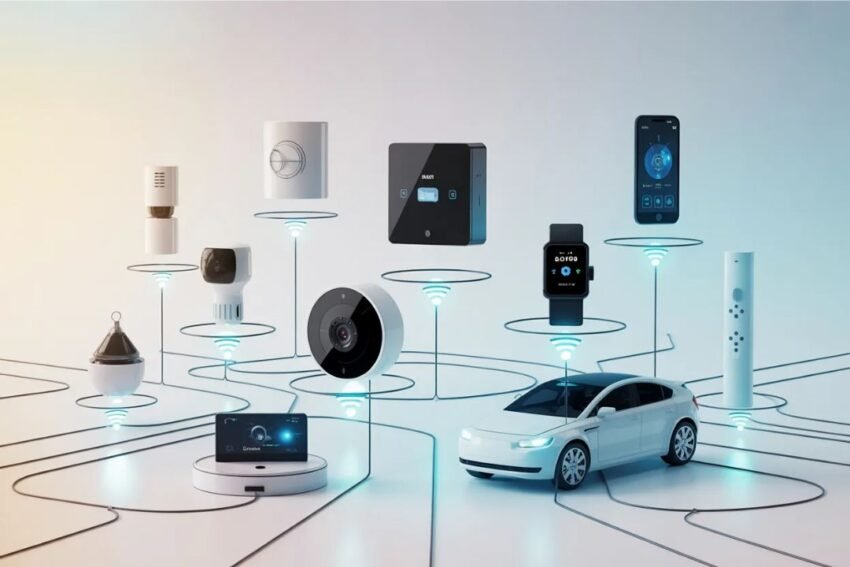
Cities around the world are rapidly evolving into smart cities, where technology, data, and connectivity are used to improve urban life. In 2026, the backbone of this transformation is the Internet of Things (IoT)—a network of connected devices that collect and share real-time data.
This SEO-optimized, human-written guide explains how IoT is shaping smart cities, real-world applications, benefits, challenges, and the future of urban development.
🌆 What Is a Smart City?
A smart city uses digital technologies and data-driven systems to improve:
- Transportation
- Energy usage
- Public safety
- Infrastructure
- Environmental sustainability
👉 In simple terms: a smart city is a city that uses technology to work more efficiently and improve citizens’ quality of life.
🌐 What Is the Role of IoT in Smart Cities?
IoT (Internet of Things) plays a central role by connecting physical devices—such as sensors, cameras, and meters—to the internet.
These devices collect real-time data and help city systems make smarter decisions.
👉 IoT turns traditional cities into data-driven intelligent ecosystems.
🚦 1. Smart Traffic Management
Traffic congestion is one of the biggest urban problems.
How IoT helps:
- Traffic sensors monitor vehicle flow
- Smart traffic lights adjust in real time
- GPS data helps optimize routes
- AI predicts congestion patterns
👉 Result: reduced traffic jams and faster travel times.
🚗 2. Smart Transportation Systems
IoT improves public and private transportation.
Real-world examples:
- Connected buses and trains
- Real-time arrival tracking apps
- Smart parking systems
- Ride-sharing optimization
👉 Cities become more efficient and commuter-friendly.
💡 3. Smart Energy Management
IoT helps cities reduce energy waste and improve efficiency.
Applications:
- Smart street lighting (adjusts brightness automatically)
- Smart electricity grids
- Real-time energy consumption tracking
- Renewable energy integration
👉 Result: lower energy costs and reduced carbon emissions.
🗑️ 4. Smart Waste Management
Waste collection becomes smarter and more efficient with IoT.
How it works:
- Smart bins detect fill levels
- Sensors notify waste collection services
- Optimized garbage routes reduce fuel usage
👉 Cleaner cities with lower operational costs.
🌬️ 5. Environmental Monitoring
IoT helps cities track environmental conditions.
Examples:
- Air quality sensors
- Water pollution monitoring
- Noise level detection
- Weather forecasting systems
👉 This helps governments take quick action to protect public health.
🏥 6. Smart Healthcare Systems
IoT improves healthcare access in urban areas.
Applications:
- Remote patient monitoring
- Smart ambulances with real-time data
- Connected hospital systems
- Emergency alert systems
👉 Faster response times and better healthcare outcomes.
🔐 7. Smart Public Safety
IoT enhances city security and emergency response.
Examples:
- Smart surveillance cameras
- AI-powered crime detection
- Emergency alert systems
- Disaster response monitoring
👉 Safer cities with quicker response times.
🏙️ 8. Smart Infrastructure Management
Cities use IoT to maintain infrastructure efficiently.
Applications:
- Structural health monitoring of bridges
- Smart water supply systems
- Real-time maintenance alerts
- Predictive repair systems
👉 Prevents failures before they happen.
🧠 9. Role of AI + IoT in Smart Cities
In 2026, IoT is increasingly powered by AI.
AI helps:
- Analyze massive urban data
- Predict traffic and energy usage
- Automate city operations
- Improve emergency response
👉 This combination is often called AIoT (AI + IoT).
📊 Benefits of IoT in Smart Cities
1. Improved Efficiency
City services operate faster and smarter.
2. Cost Reduction
Less waste of energy, fuel, and resources.
3. Better Quality of Life
Cleaner, safer, and more organized cities.
4. Sustainability
Reduced pollution and better resource management.
5. Real-Time Decision Making
Instant data helps governments act quickly.
⚠️ Challenges of Smart Cities
Despite benefits, smart cities face challenges:
1. Data Privacy Concerns
Large amounts of citizen data are collected.
2. Cybersecurity Risks
Connected systems can be vulnerable to attacks.
3. High Implementation Costs
Building smart infrastructure is expensive.
4. Technology Integration Issues
Different systems may not always work together.
🔐 IoT Security in Smart Cities
Security is critical because smart cities rely heavily on connected systems.
Key protections:
- Encrypted communication networks
- Secure cloud infrastructure
- AI-based threat detection
- Strict access control systems
👉 Without security, smart cities cannot function safely.
🔮 Future of Smart Cities (2026 and Beyond)
The future of smart cities is becoming more advanced with:
🚀 Fully Autonomous City Systems
Traffic, energy, and services managed automatically.
🤖 AI-Driven Urban Planning
AI designs more efficient city layouts.
📡 5G and Edge Computing
Ultra-fast communication between devices.
🌱 Green Smart Cities
Focus on sustainability and renewable energy.
🧩 Fully Connected Ecosystems
All city systems working together seamlessly.
🧠 Real-World Examples of Smart Cities
Many cities are already adopting IoT technologies:
- Smart traffic systems in major metropolitan areas
- Intelligent energy grids in modern urban centers
- Smart surveillance and public safety networks
- Automated waste management systems
👉 These are early versions of fully developed smart cities.
🧾 Final Thoughts
IoT is the foundation of modern smart cities. By connecting devices, collecting real-time data, and enabling automation, it is transforming how cities operate and how people live.
In 2026, smart cities are not just a concept—they are actively being built worldwide.
🎯 Conclusion
The future of urban development depends heavily on IoT. From transportation and energy to safety and healthcare, IoT is making cities more efficient, sustainable, and intelligent.
👉 Smart cities are the future—and IoT is the technology powering that future.