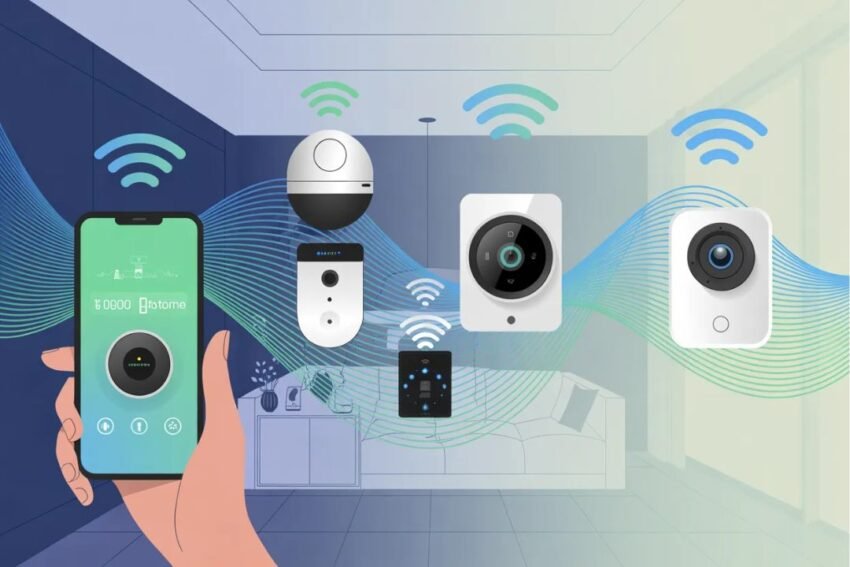
As smart homes, wearables, and connected devices become more common in 2026, IoT security has become a major concern. Every connected device—from smart cameras to thermostats—can be a potential entry point for cyberattacks if not properly secured.
This SEO-optimized, human-written guide explains the best IoT security practices to keep your smart devices safe, private, and protected.
🔐 What Is IoT Security?
IoT security refers to the protection of internet-connected devices and networks from cyber threats, unauthorized access, and data breaches.
👉 Simply put: it ensures your smart devices cannot be hacked or misused.
⚠️ Why IoT Security Matters in 2026
IoT devices are everywhere:
- Smart homes
- Wearables
- Cars
- Industrial systems
- Healthcare devices
But many of these devices collect sensitive data, such as:
- Location information
- Health data
- Video/audio feeds
- Personal habits
👉 If compromised, attackers can access your private life or even control your devices.
🧠 Common IoT Security Risks
Before learning how to protect devices, it’s important to understand the risks:
1. Weak Passwords
Default or simple passwords are easy to hack.
2. Unsecured Networks
Poor Wi-Fi security allows unauthorized access.
3. Outdated Firmware
Old software often contains known vulnerabilities.
4. Data Interception
Hackers can intercept unencrypted data.
5. Botnet Attacks
Compromised IoT devices can be used in large-scale cyberattacks.
🛡️ Best IoT Security Practices (2026)
Here are the most effective ways to secure your smart devices:
1. 🔑 Change Default Passwords Immediately
Many IoT devices come with default login credentials.
Best Practice:
- Replace default usernames and passwords
- Use strong, unique passwords
- Avoid using the same password across devices
👉 This is the first and most important step in IoT security.
2. 📶 Secure Your Wi-Fi Network
Your home network is the gateway to all IoT devices.
Best Practice:
- Use WPA3 encryption
- Hide your network name (SSID) if possible
- Set a strong router password
- Disable remote access if not needed
3. 🔄 Keep Devices Updated
Manufacturers release updates to fix security issues.
Best Practice:
- Enable automatic updates
- Regularly check for firmware updates
- Replace unsupported devices
👉 Outdated devices are the easiest targets for hackers.
4. 🔐 Use Multi-Factor Authentication (MFA)
Whenever possible, enable MFA.
Why it matters:
- Adds an extra layer of protection
- Requires verification beyond just a password
- Prevents unauthorized access
5. 📡 Segment Your Network
Don’t connect all devices to one network.
Best Practice:
- Create a separate network for IoT devices
- Keep personal devices (phones/laptops) separate
- Limit device communication
👉 This reduces damage if one device is compromised.
6. 🧠 Disable Unnecessary Features
Many IoT devices come with extra features you don’t need.
Best Practice:
- Turn off remote access if unused
- Disable unused sensors or services
- Limit data sharing permissions
7. 🔍 Monitor Device Activity
Keep track of what your devices are doing.
Best Practice:
- Check logs regularly
- Use security apps or dashboards
- Watch for unusual behavior
8. 🔒 Encrypt Data Where Possible
Encryption protects your data from interception.
Best Practice:
- Use devices with built-in encryption
- Ensure data is encrypted in transit and at rest
9. 🧩 Buy Trusted IoT Devices Only
Not all IoT devices are equally secure.
Best Practice:
- Choose reputable brands
- Avoid cheap, unknown devices
- Check security reviews before buying
10. 🚫 Disable Universal Plug and Play (UPnP)
UPnP can expose devices to external networks.
Best Practice:
- Turn off UPnP on your router
- Only enable if absolutely necessary
🤖 Role of AI in IoT Security (2026 Trend)
In 2026, AI is heavily used in cybersecurity:
- Detects unusual device behavior
- Identifies hacking attempts in real time
- Automatically blocks suspicious activity
- Predicts vulnerabilities before attacks happen
👉 AI is making IoT security smarter and more proactive.
🏠 IoT Security in Smart Homes
Smart homes are the most vulnerable IoT environments.
Secure smart home tips:
- Secure smart cameras with strong passwords
- Regularly update smart speakers
- Monitor connected appliances
- Use encrypted communication apps
🚗 IoT Security in Smart Vehicles
Modern vehicles are also connected devices.
Best practices:
- Keep vehicle software updated
- Avoid third-party modifications
- Use manufacturer-approved apps only
🏥 IoT Security in Healthcare Devices
Healthcare IoT devices require extreme security:
- Protect patient data
- Use encrypted medical systems
- Limit remote access
- Follow regulatory standards
📊 Key Benefits of Strong IoT Security
- Protects personal data
- Prevents device hacking
- Ensures privacy
- Improves system reliability
- Reduces financial risks
🔮 Future of IoT Security
IoT security is evolving rapidly with:
- AI-powered threat detection
- Zero-trust security models
- Blockchain-based device authentication
- Self-healing security systems
- Quantum-resistant encryption
👉 Future IoT systems will be far more secure and autonomous.
🧠 Final Thoughts
IoT security is not optional—it is essential in 2026. As more devices become connected, the risk of cyberattacks increases, making strong security practices more important than ever.
By following simple steps like using strong passwords, updating devices, and securing your network, you can significantly reduce risks and protect your smart environment.
🎯 Conclusion
Keeping IoT devices safe requires a combination of good habits, strong security settings, and regular monitoring. In a fully connected world, security is the foundation of trust and safety.