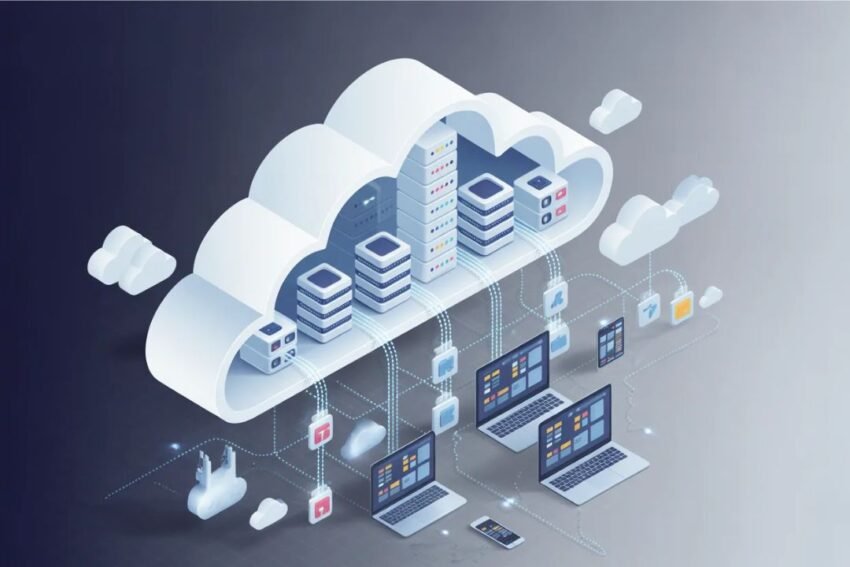
In 2026, SaaS (Software as a Service) is no longer just a software delivery model—it has become the backbone of modern business operations. From startups to global enterprises, companies are using SaaS tools to automate workflows, reduce costs, and scale faster than ever before.
☁️ What Is SaaS (Quick Refresher)?
SaaS (Software as a Service) is cloud-based software delivered through the internet on a subscription basis.
Instead of installing software on computers, businesses simply log in through a browser and use it.
👉 Examples include CRM tools, communication apps, accounting platforms, and marketing software.
🚀 How SaaS Is Transforming Modern Businesses
SaaS is reshaping business operations in several powerful ways:
1. AI-Powered Automation Is Replacing Manual Work
In 2026, SaaS platforms are no longer just tools—they are becoming intelligent systems.
Modern SaaS products now include:
- AI automation for repetitive tasks
- Predictive analytics for decision-making
- Smart workflows that run automatically
Many SaaS platforms are evolving into AI-driven systems that can execute tasks independently instead of waiting for user input.
👉 Result: Businesses save time and reduce human workload significantly.
2. SaaS Is Becoming “Workflow-Centric”
Instead of focusing on isolated features, SaaS tools now focus on complete business workflows.
This shift means:
- Software is designed around outcomes, not features
- Tools integrate deeply into daily operations
- Businesses focus on productivity, not tool management
Modern SaaS success depends on improving real-world workflows, not just adding features.
3. Vertical SaaS Is Replacing Generic Software
Instead of one-size-fits-all tools, companies are adopting industry-specific SaaS solutions.
Examples:
- Healthcare SaaS for hospitals
- Fintech SaaS for payments
- Retail SaaS for e-commerce
This trend is growing rapidly because specialized tools deliver better results and efficiency.
4. AI-Native SaaS Is Becoming the Standard
In 2026, SaaS is shifting from “AI-powered” to AI-native systems.
That means:
- AI is built into the core of the software
- Systems can automate entire business processes
- Users interact using natural language instead of dashboards
AI is no longer an add-on—it is becoming the foundation of SaaS platforms.
5. Subscription Models Are Evolving
Traditional pricing (fixed monthly subscriptions) is changing.
New SaaS pricing models include:
- Usage-based pricing
- Outcome-based pricing
- Hybrid subscription models
This allows businesses to pay based on actual value received instead of flat fees.
💡 Key Benefits of SaaS for Businesses
SaaS adoption brings several major advantages:
1. Lower Costs
No need for expensive hardware or IT infrastructure.
Businesses save on:
- Servers
- Maintenance
- Software installation
2. Faster Scalability
Companies can scale instantly:
- Add users easily
- Upgrade plans as needed
- Expand globally without infrastructure delays
3. Remote Accessibility
SaaS tools work from anywhere:
- Home
- Office
- Mobile devices
This supports hybrid and remote work models.
4. Automatic Updates
Software updates happen automatically:
- No manual installations
- Always using the latest version
- Improved security and features
5. Strong Collaboration
Modern SaaS tools improve teamwork through:
- Real-time editing
- Cloud file sharing
- Integrated communication tools
📊 SaaS Impact on Business Performance
SaaS adoption is directly improving:
- Productivity
- Decision-making speed
- Operational efficiency
- Revenue growth
Many companies now rely on SaaS as their core business infrastructure, not just supporting software.
🔥 Major SaaS Trends in 2026
Here are the biggest trends shaping the SaaS industry:
🤖 1. AI Integration Everywhere
AI is now built into almost every SaaS platform.
⚙️ 2. Autonomous Systems
Software can complete tasks without human input.
🧩 3. API-Driven Ecosystems
SaaS tools now connect seamlessly with each other.
🏢 4. Industry-Specific SaaS
More specialized tools for specific business needs.
💳 5. Outcome-Based Pricing
Businesses pay for results, not just access.
📈 Why SaaS Is So Important in 2026
SaaS is essential because it:
- Powers digital transformation
- Enables global remote work
- Supports AI-driven business models
- Reduces operational complexity
- Improves business agility
Even traditional industries like healthcare, finance, and manufacturing now depend heavily on SaaS systems.
🧠 Final Thoughts
SaaS has evolved from simple cloud software into a core engine of modern business transformation. In 2026, companies that adopt SaaS strategically gain a major advantage in speed, efficiency, and scalability.
The biggest shift happening today is clear:
👉 SaaS is moving from “software tools” → to “intelligent business systems”
🧾 Conclusion
SaaS is reshaping how businesses operate by introducing automation, AI intelligence, and scalable cloud systems. From reducing costs to improving productivity, its impact is massive and still growing.
Businesses that embrace modern SaaS trends will continue to outperform competitors in the digital economy.