Cloud computing has become one of the most important technologies in the modern digital world. In 2026, almost everything—from mobile apps and websites to artificial intelligence systems—runs on the cloud. But for beginners, the concept can still feel confusing.
This SEO-optimized, human-written guide explains cloud computing in a simple way, how it works, its types, benefits, and why it matters in today’s tech-driven world.
☁️ What Is Cloud Computing?
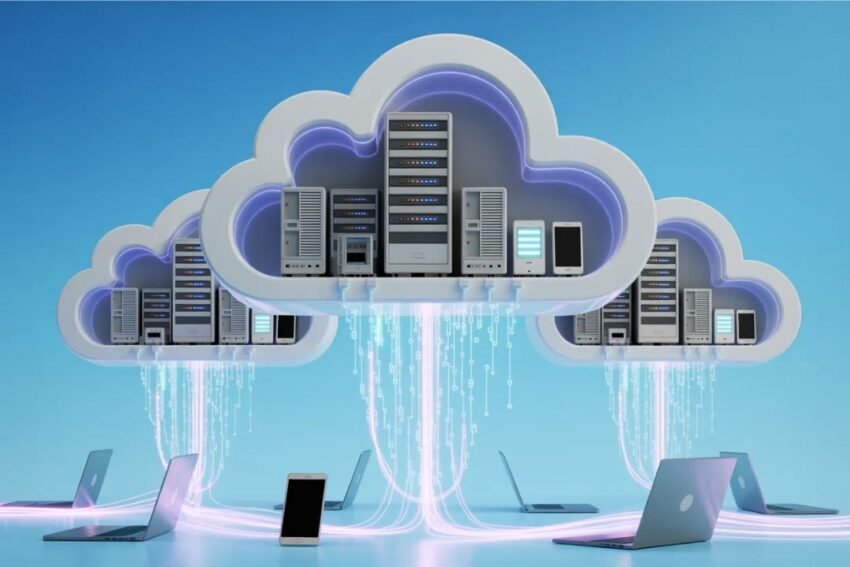
Cloud computing is the delivery of computing services—such as servers, storage, databases, networking, and software—over the internet instead of using local computers or physical hardware.
In simple terms:
👉 Instead of storing data or running programs on your personal device, you use powerful remote computers (called “the cloud”) accessed via the internet.
🧠 Simple Example of Cloud Computing
Think of it like this:
- Your phone = a remote control
- The cloud = a powerful computer in a data center
When you use apps like Google Drive or Netflix, you’re already using cloud computing.
🌐 How Cloud Computing Works
Cloud computing works through large data centers operated by companies that provide computing power over the internet.
Basic Process:
- You request a service (like storing a file or running an app)
- The request goes to a cloud server
- The server processes your request
- Results are sent back to your device
👉 Everything happens in seconds, powered by remote infrastructure.
🏢 Major Cloud Service Providers
Some of the biggest companies in cloud computing include:
- Amazon Web Services (AWS)
- Microsoft (Microsoft Azure)
- Google (GCP)
These platforms power millions of websites, apps, and enterprise systems worldwide.
🧩 Types of Cloud Computing Services
Cloud computing is divided into three main categories:
1. Infrastructure as a Service (IaaS)
Provides virtual hardware like servers and storage.
👉 Example: Renting a virtual computer instead of buying physical servers.
2. Platform as a Service (PaaS)
Provides a platform for developers to build applications without managing infrastructure.
👉 Example: Deploying apps without worrying about servers.
3. Software as a Service (SaaS)
Provides ready-to-use software over the internet.
👉 Example:
- Google Docs
- Zoom
- Dropbox
☁️ Types of Cloud Deployment Models
1. Public Cloud
- Shared infrastructure
- Accessible to anyone
- Example: AWS, Google Cloud
2. Private Cloud
- Dedicated to one organization
- More secure and controlled
3. Hybrid Cloud
- Combination of public and private cloud
- Flexible and scalable
🚀 Benefits of Cloud Computing
Cloud computing offers several major advantages:
1. Cost Efficiency
No need to buy expensive hardware.
2. Scalability
Easily increase or decrease resources based on demand.
3. Accessibility
Access data from anywhere in the world.
4. Reliability
High uptime and backup systems.
5. Security
Advanced encryption and protection systems.
💡 Real-World Uses of Cloud Computing
Cloud computing powers almost everything you use daily:
Entertainment
- Netflix streaming
- YouTube video hosting
Business
- Remote work tools
- Data storage and analytics
Education
- Online learning platforms
- Virtual classrooms
Gaming
- Cloud gaming services
- Multiplayer online servers
🎮 Cloud Computing in Gaming
Cloud computing is revolutionizing gaming through services like cloud gaming, where players don’t need powerful hardware.
Games run on remote servers and are streamed to devices in real time.
👉 This allows gaming on phones, laptops, and smart TVs without expensive consoles.
⚙️ Cloud Computing vs Traditional Computing
| Feature | Cloud Computing | Traditional Computing |
|---|---|---|
| Storage | Online (remote servers) | Local device |
| Cost | Pay-as-you-go | High upfront cost |
| Scalability | Easy | Limited |
| Maintenance | Managed by provider | User responsibility |
| Accessibility | Global | Device-based |
🔐 Is Cloud Computing Safe?
Yes—cloud computing is generally very secure. Providers use:
- Data encryption
- Firewalls
- Multi-factor authentication
- Regular security updates
However, users must also follow good security practices like strong passwords.
📈 Why Cloud Computing Matters in 2026
Cloud computing is the backbone of modern technology:
- Powers AI and machine learning systems
- Supports remote work and global collaboration
- Enables streaming, apps, and digital services
- Drives innovation in Web3 and blockchain applications
👉 Without the cloud, modern digital life would not exist as we know it.
🔮 Future of Cloud Computing
In 2026 and beyond, cloud computing is evolving with:
- AI-integrated cloud services
- Edge computing (faster local processing)
- Serverless architecture
- Multi-cloud systems
- Green cloud computing (energy efficiency)
🧠 Common Misconceptions
❌ “Cloud means no storage”
✔️ Reality: Cloud is just remote storage and computing power.
❌ “Cloud is unsafe”
✔️ Reality: Major providers invest heavily in security.
❌ “Cloud is only for big companies”
✔️ Reality: Individuals use cloud services daily.
🧾 Conclusion
Cloud computing is the foundation of modern technology in 2026. It powers everything from websites and mobile apps to AI systems and gaming platforms.
By removing the need for expensive hardware and enabling global access to computing power, the cloud has transformed how we live and work.
Understanding cloud computing is no longer optional—it’s essential for anyone entering tech, business, or digital careers.
🎯 Final Takeaway
Cloud computing = Internet-based access to computing power, storage, and software.
👉 Learn it today, and you understand the backbone of the entire digital world.